Reliable Calcium Carbonate Starts with Consistent Quality
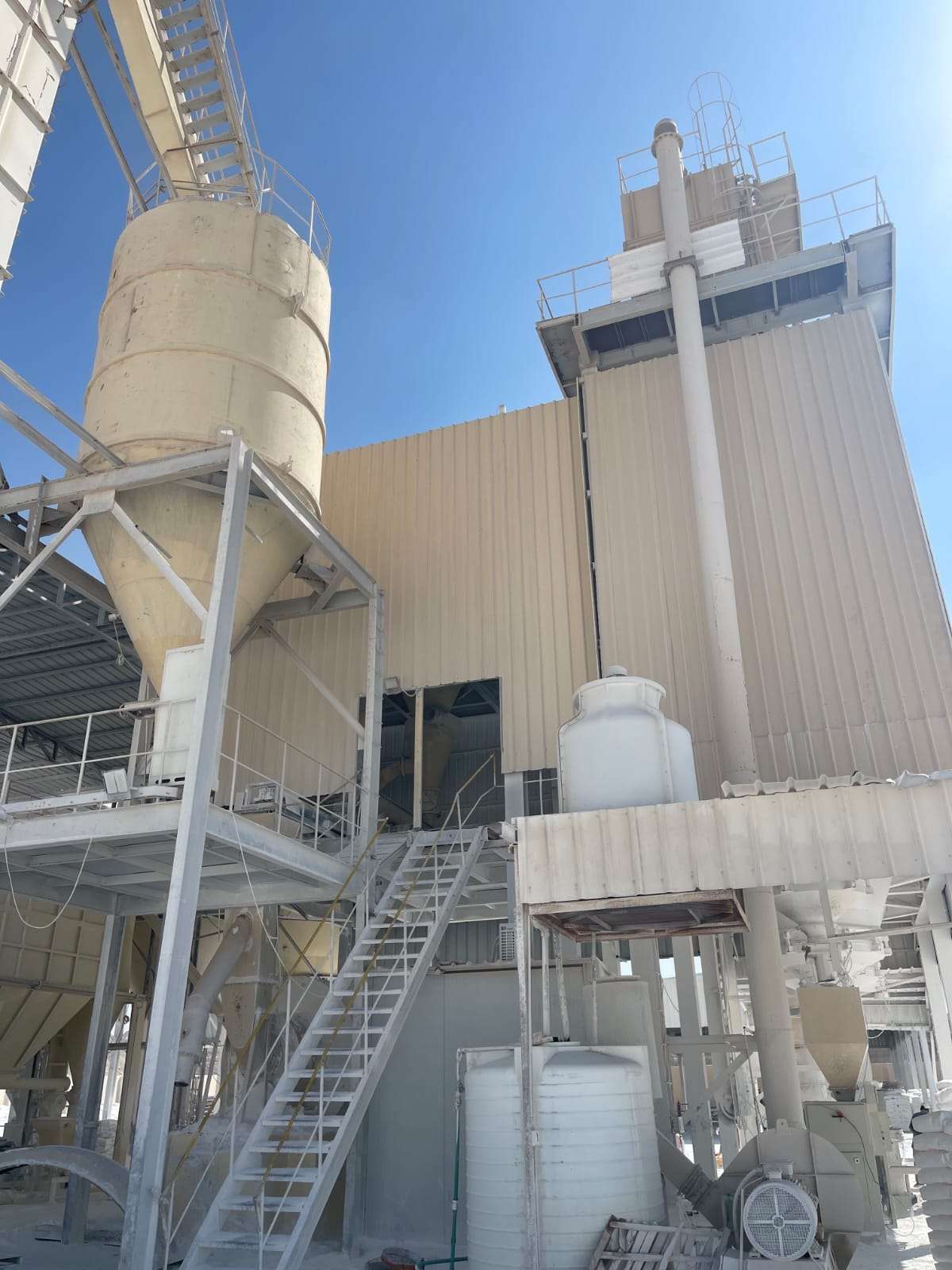
Quality control is part of every stage of calcium carbonate supply — from raw material selection to processing, packaging, documentation, and export preparation.
Our goal is to support manufacturers with calcium carbonate materials that are consistent, reliable, and suitable for industrial applications

Quality-Focused Production
Particle Size
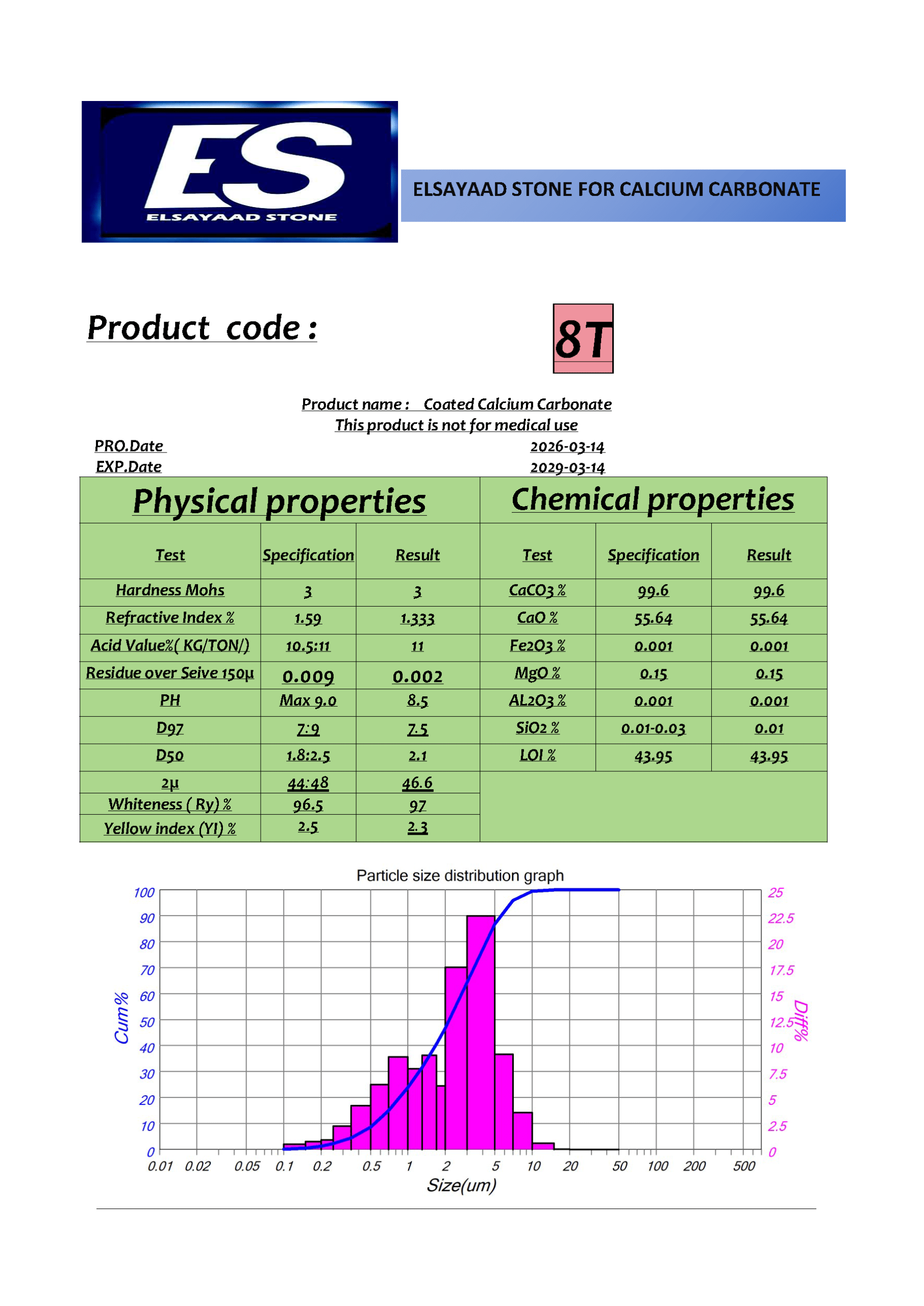
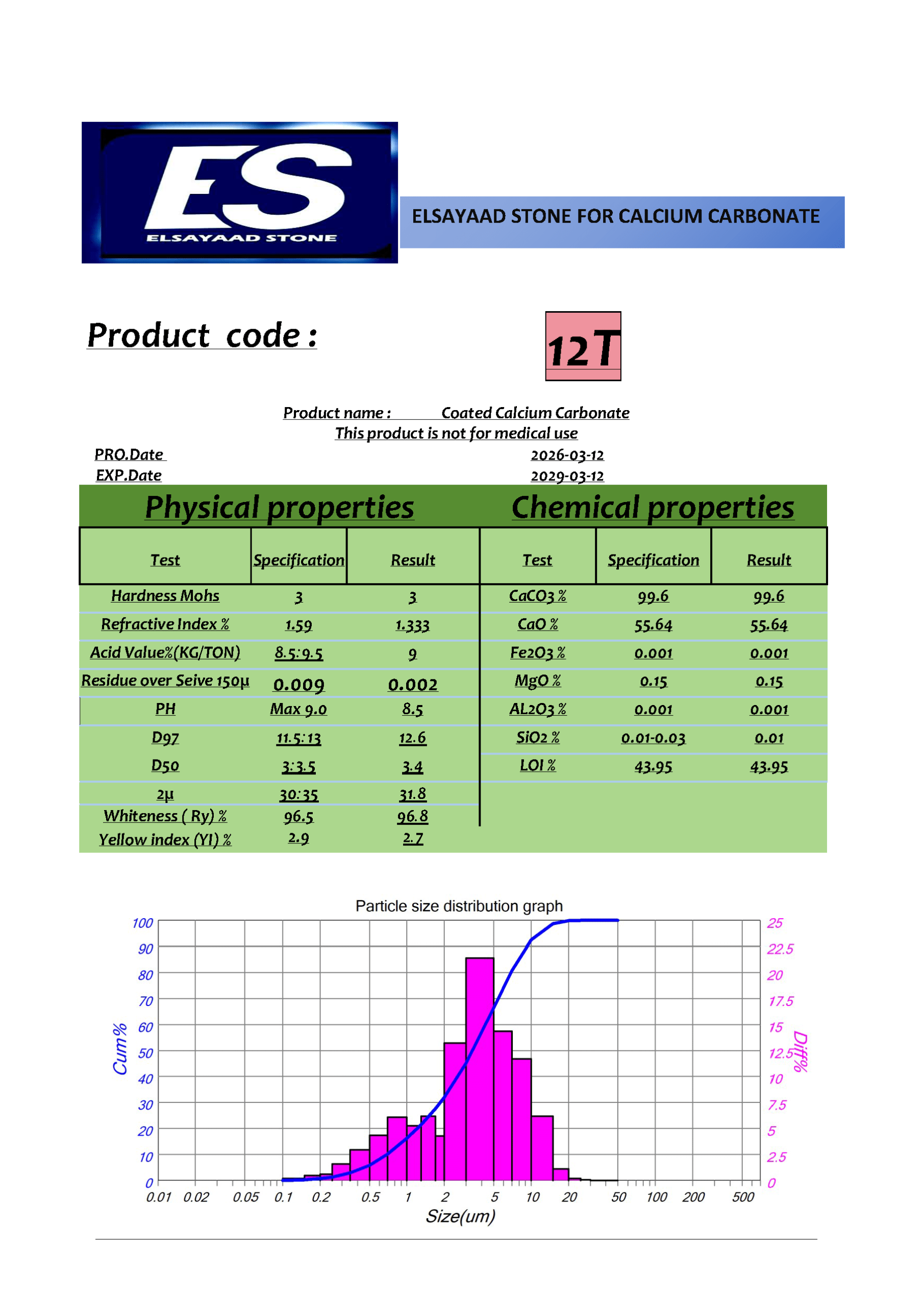
Particle size is one of the most important quality factors in calcium carbonate. It affects dispersion, surface finish, texture, processing behavior, and final product performance.
For coated calcium carbonate grades, available technical sheets include particle size values such as D97, D50, and 2µ results.
Whiteness
Whiteness is important for applications such as paints, coatings, plastics, paper, and other products where brightness and visual quality matter.
The coated calcium carbonate datasheets include whiteness results for grades 8T, 10T, 12T, 15T, and 20T.
pH Level
pH is checked to help customers understand product behavior in different formulations.
The coated calcium carbonate datasheets list pH Max 9.0 with a result of 8.5 across the shown coated grades.
Chemical Composition
Chemical composition helps confirm product purity and mineral consistency.
The coated calcium carbonate datasheets include chemical properties such as:
- CaCO₃
- CaO
- Fe₂O₃
- MgO
- Al₂O₃
- SiO₂
- LOI
Quality Control Process
1. Raw Material Selection
Careful selection of calcium carbonate source material.
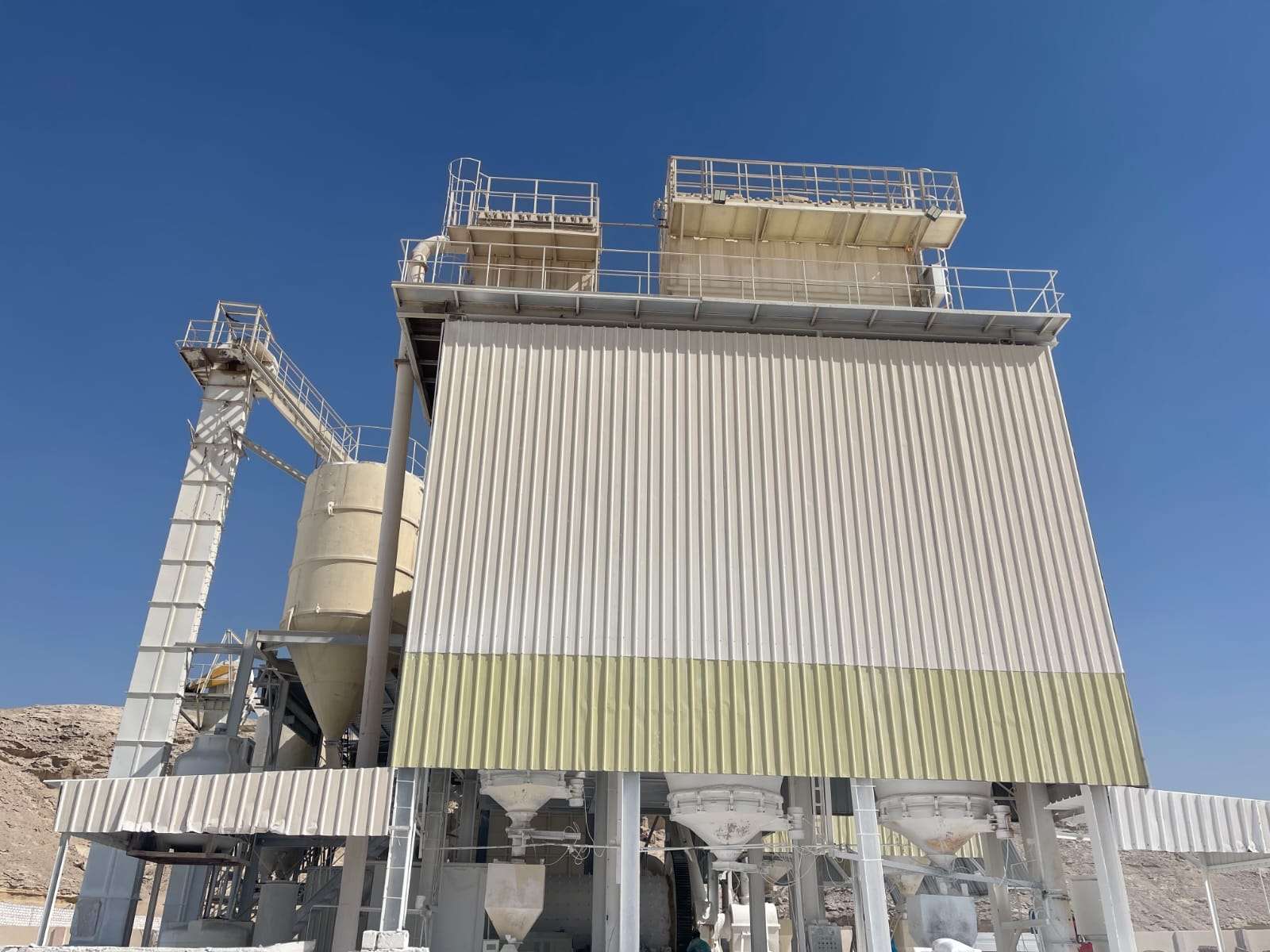
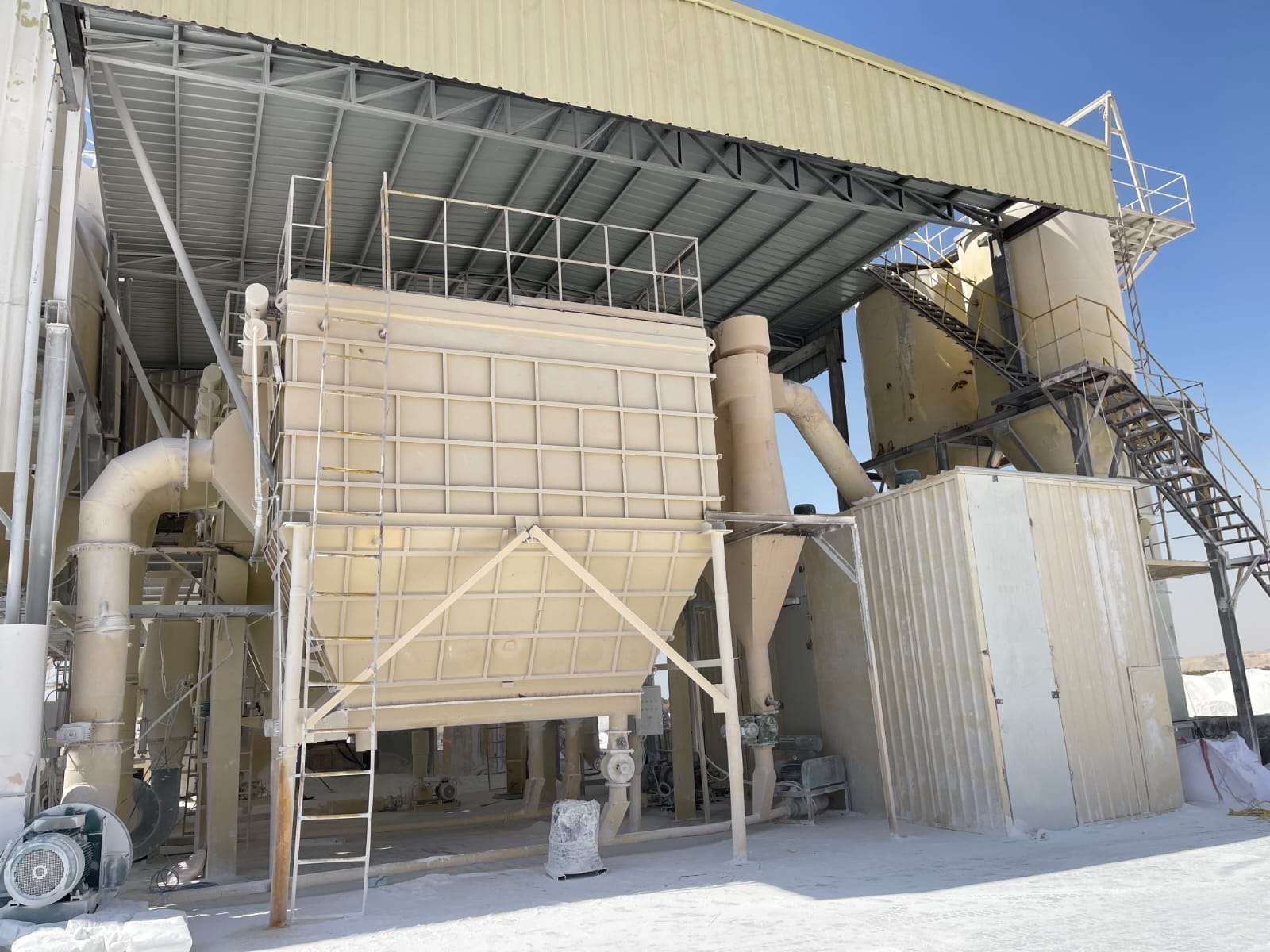
2. Controlled Processing
Processing according to required product type and particle size.
3. Technical Testing
Checking key properties such as particle size, whiteness, pH, and chemical composition.
4. Product Classification
Separating product grades based on specifications and customer needs.
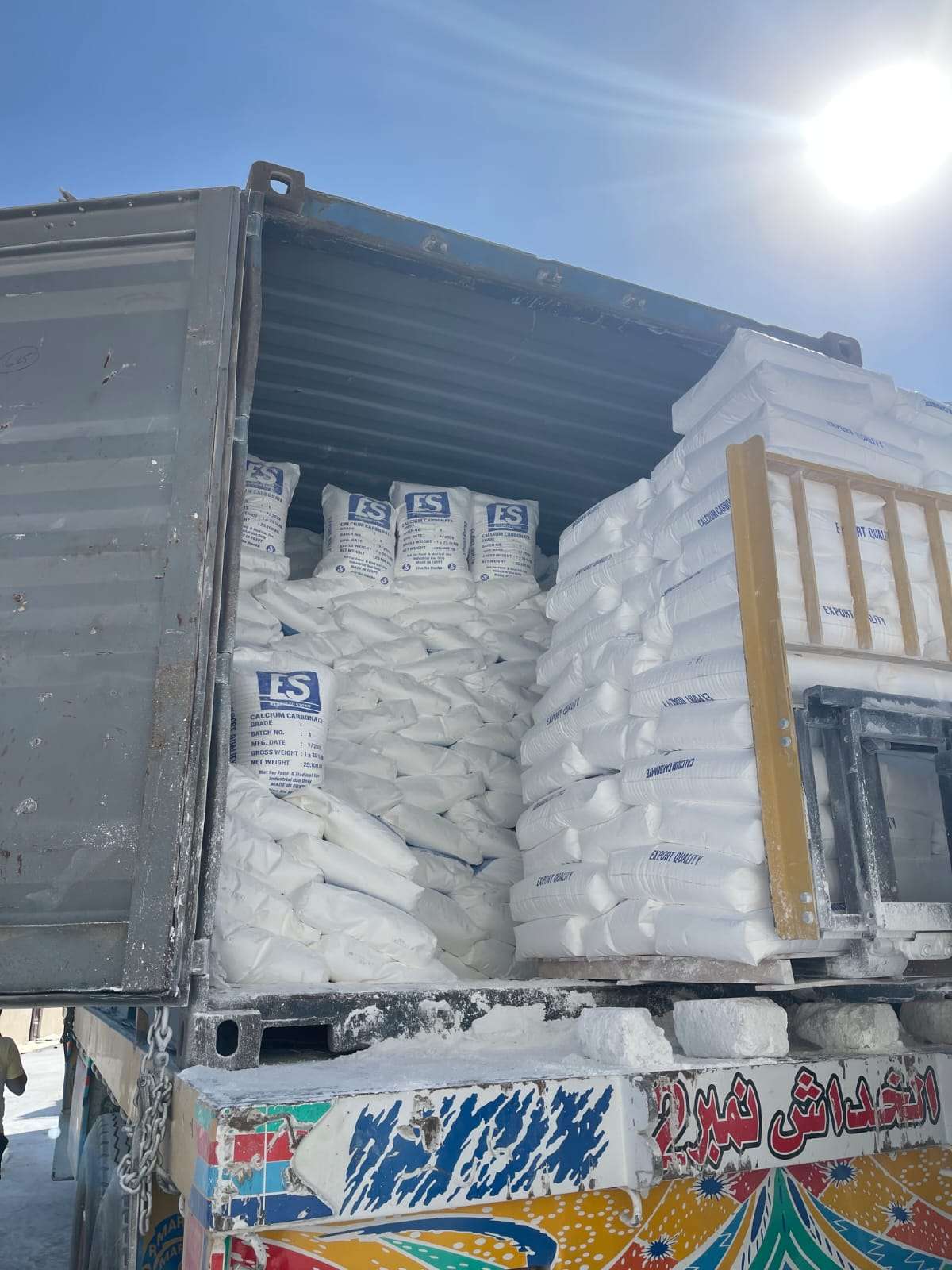
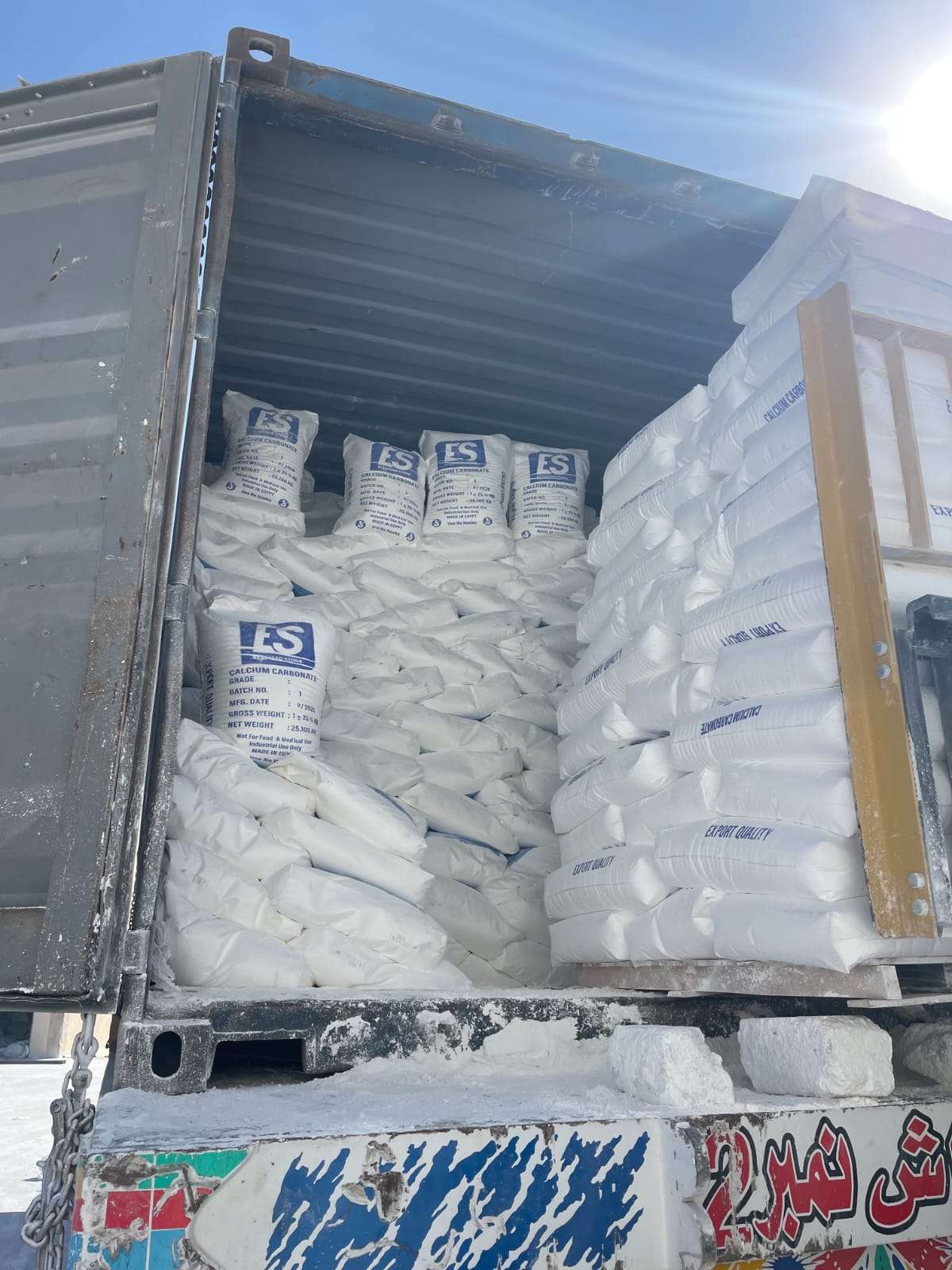
5. Packaging Preparation
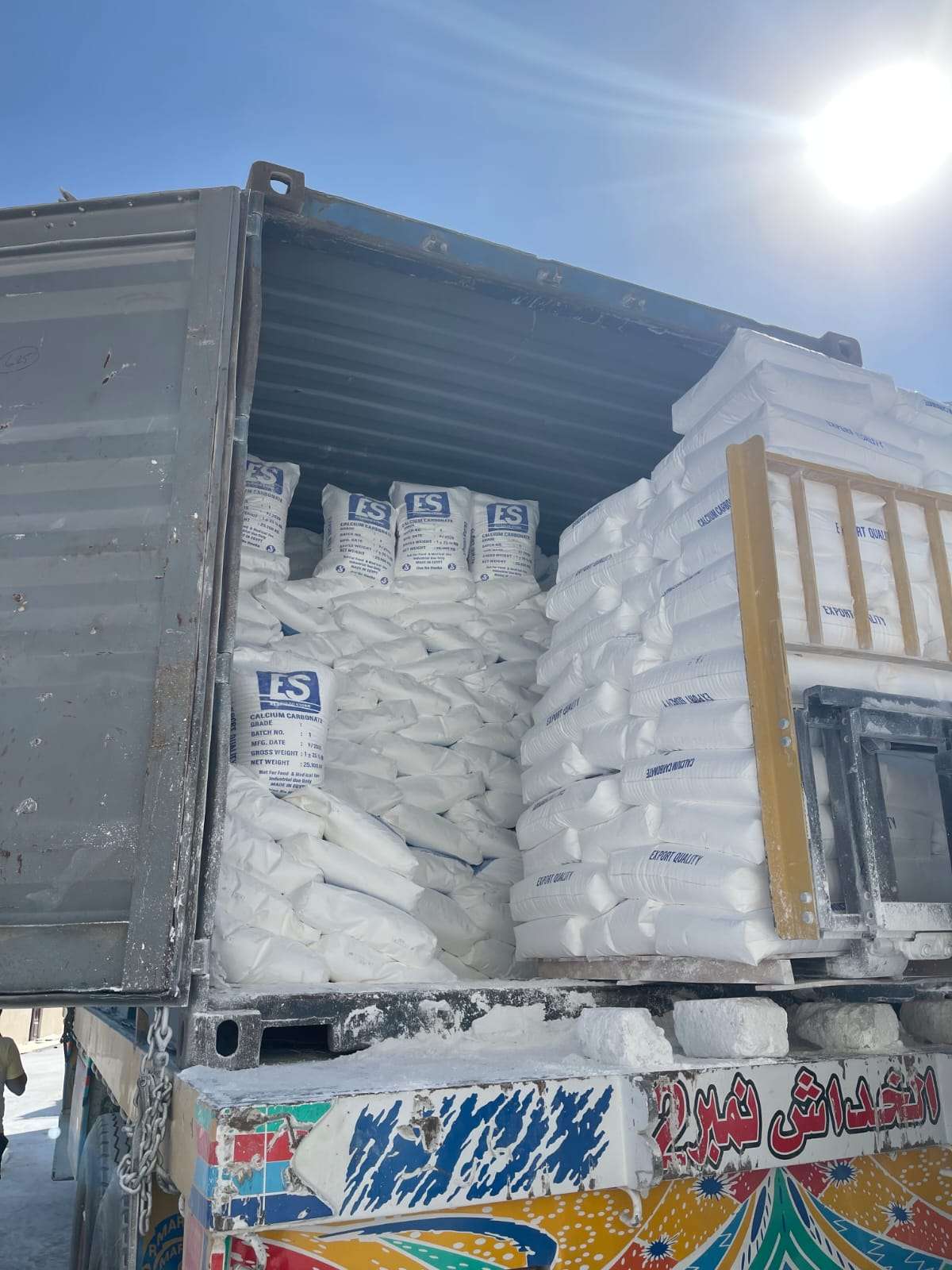
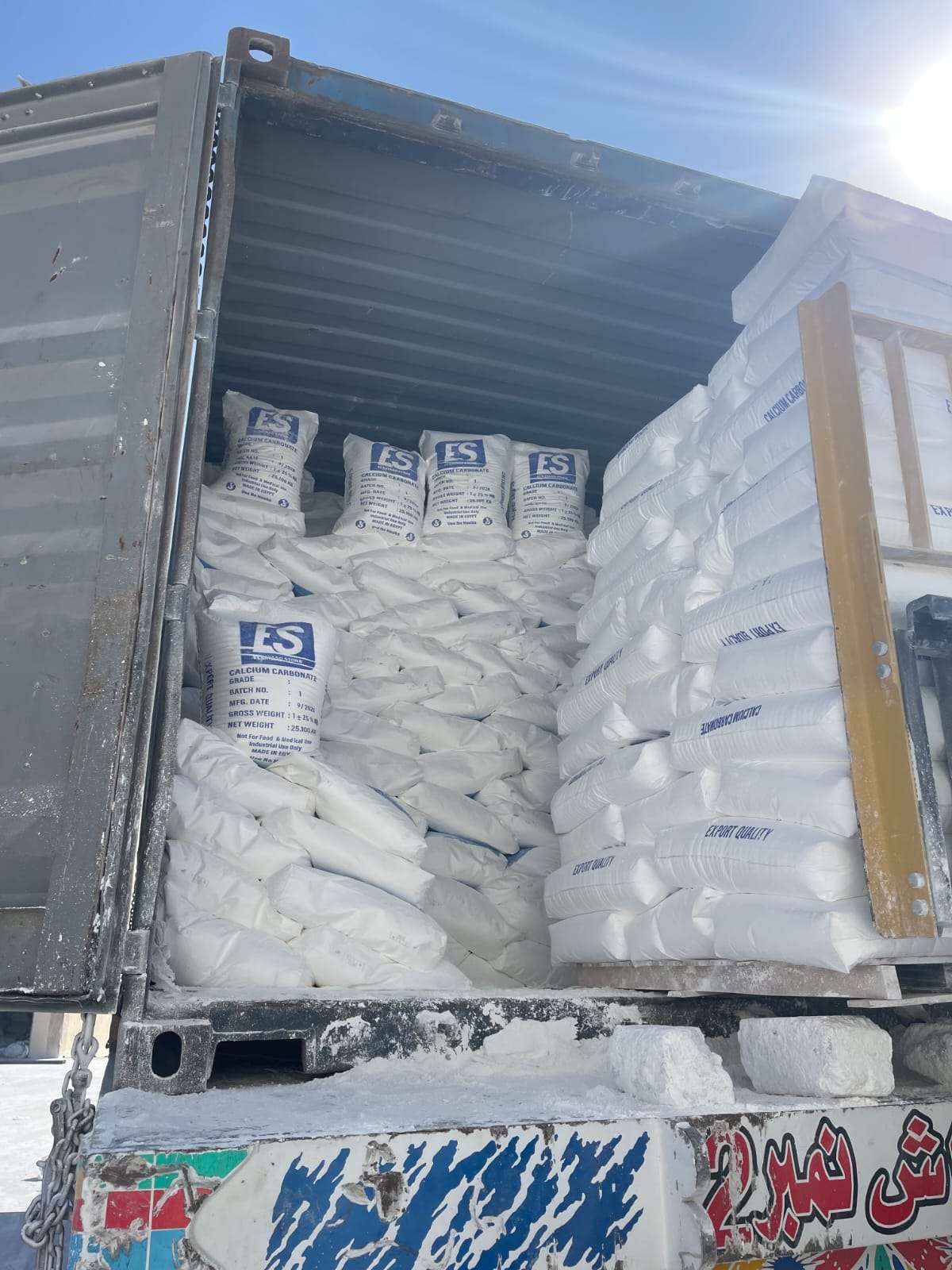
Preparing products for safe handling, storage, and shipment.
6. Documentation Support
Providing technical data when available and required.