
Coated Calcium Carbonate for PVC pipes is revolutionizing the way manufacturers approach plastic extrusion today. If you are involved in the industrial manufacturing sector, you already know that the constant battle is finding the perfect balance between maintaining top-tier product quality and keeping your production costs manageable. Hello, and welcome! We at elsayaadmining specialize in understanding these complex industrial landscapes. As a leading e-marketing agency, we do not just market products; we dig deep into the technical value behind them so we can communicate your strengths effectively to your target audience.
Today, we want to share our expert insights on a material that is truly changing the game for pipe manufacturers worldwide. We will explain, in simple terms, exactly how adding this specific compound to your manufacturing process not only creates a stronger, more reliable pipe but also significantly cuts down your daily operational expenses. Let us dive into the fascinating world of industrial optimization.
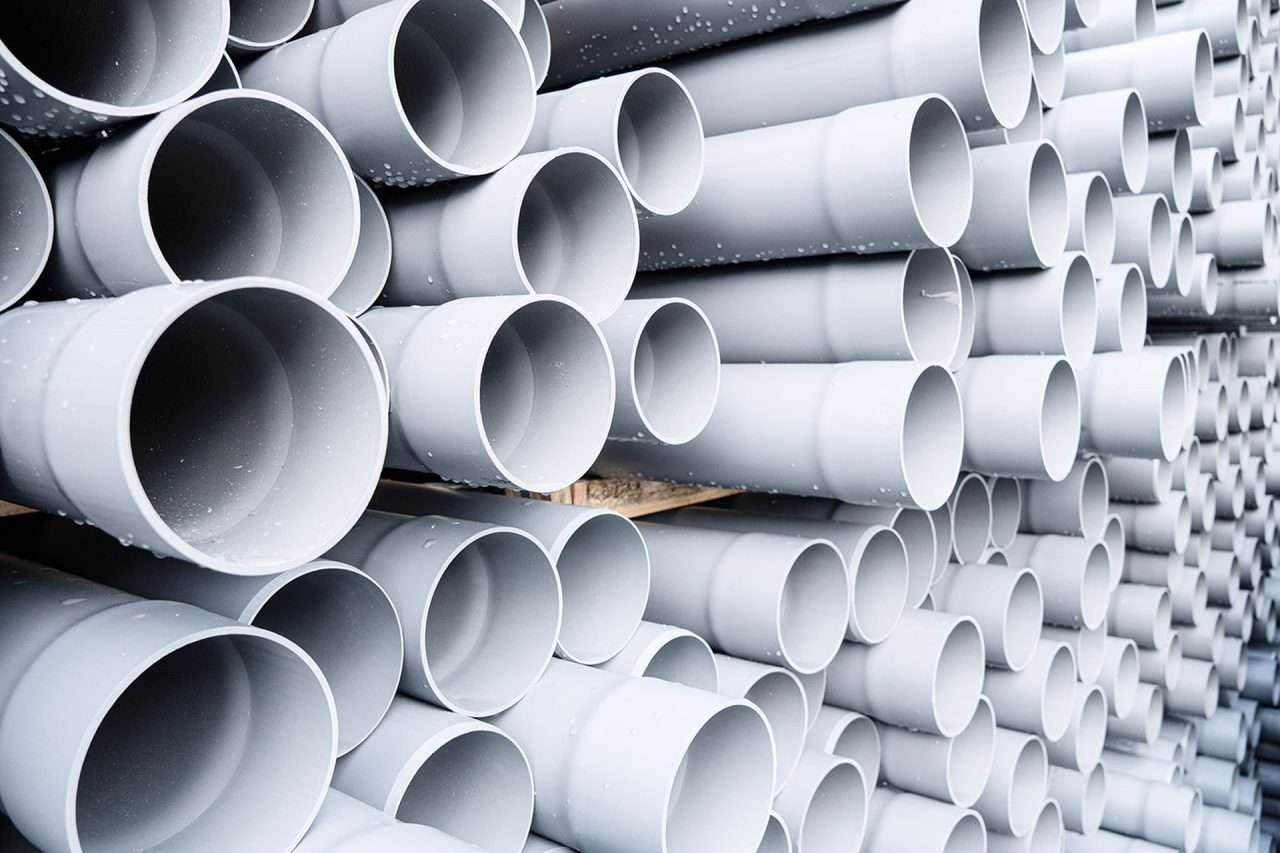
Coated Calcium Carbonate for PVC Pipes: Enhancing Durability and Reducing Production Costs
What Exactly is Coated Calcium Carbonate?
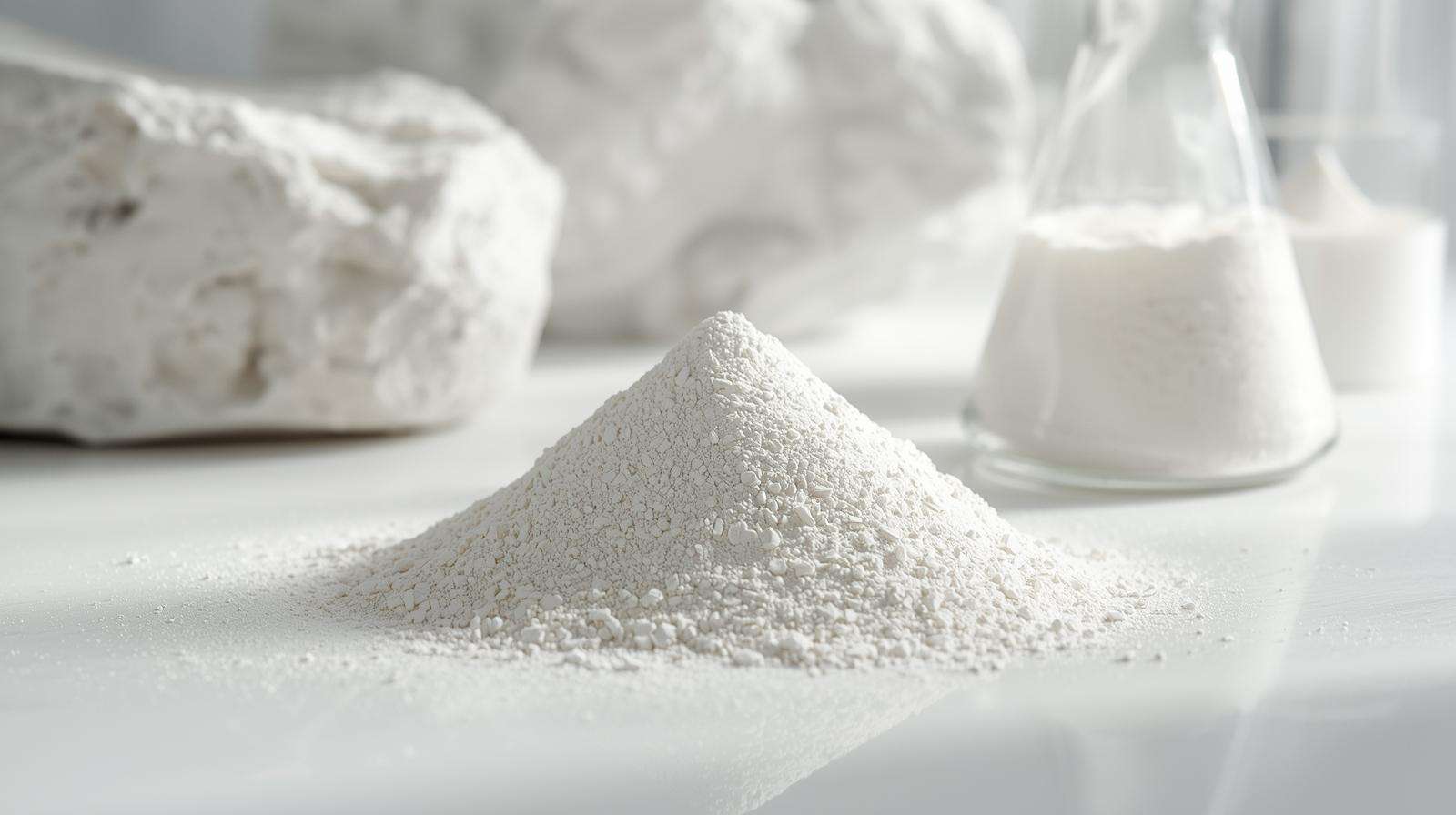
Before we explore the benefits, it is important to understand what we are working with. Calcium carbonate (CaCO3) is a natural mineral found abundantly in rocks like limestone and marble. In its natural, uncoated powder form, it is widely used as a filler in many industries. However, natural calcium carbonate is hydrophilic, meaning it loves water and tends to clump together.
When you are trying to mix this powder smoothly into a plastic polymer like PVC (Polyvinyl Chloride), these clumps can cause major problems. This is where the magic of “coating” comes in. The calcium carbonate powder is treated with a surface agent, most commonly stearic acid. This thin coating changes the nature of the powder from hydrophilic to hydrophobic (water-repelling). This simple chemical adjustment makes the powder highly compatible with the PVC matrix, allowing it to blend seamlessly like sugar dissolving in hot tea.
How Coated Calcium Carbonate Enhances PVC Pipe Durability
When a client buys PVC pipes, their primary concern is reliability. Will the pipe crack under pressure? Will it withstand harsh weather? Here is how adding coated calcium carbonate answers those questions with a solid “yes.”
1. Superior Impact Resistance
When uncoated calcium carbonate clumps up inside the plastic, it creates tiny weak spots in the pipe’s structure. If the pipe is dropped or hit, it will easily break at one of these weak points. Because the coated version disperses perfectly and evenly throughout the PVC mixture, it eliminates these weak spots. The result is a highly uniform pipe that can absorb shocks and impacts without cracking.
2. Increased Flexibility and Toughness
Pipes need to have a certain level of flexibility to handle underground pressure and ground shifts. The stearic acid coating on the calcium carbonate particles acts almost like a microscopic cushion within the plastic structure. This slightly improves the elasticity of the PVC, making the pipes tougher and less brittle, especially in colder temperatures where traditional plastics tend to fail.
3. A Flawless Surface Finish
Durability is not just about the inside; the outside matters too. A smoother inner surface reduces friction for water or fluids flowing through the pipe, enhancing its functional lifespan. The excellent dispersion of coated calcium carbonate guarantees a glossy, smooth, and defect-free surface finish on both the inside and the outside of the pipe.
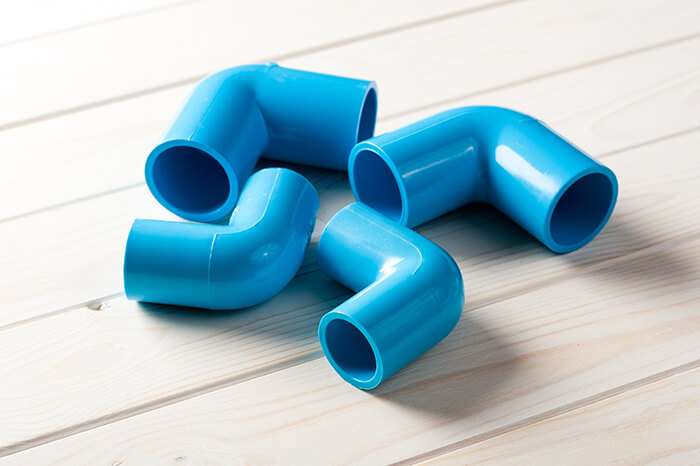
Coated Calcium Carbonate for PVC Pipes: Enhancing Durability and Reducing Production Costs
Significant Reduction in Production Costs
Now, let us talk about the aspect every business owner and factory manager loves: saving money. Incorporating this material into your production line is one of the smartest financial decisions you can make. Here is why:
1. Replacing Expensive Resins
PVC resin is the most expensive component in pipe manufacturing. Calcium carbonate is significantly cheaper. Because the coated version mixes so well with PVC, manufacturers can safely increase the amount of calcium carbonate in their formula without sacrificing the quality of the final product. By substituting a percentage of the expensive PVC resin with the more affordable coated calcium carbonate, your raw material costs drop dramatically.
2. Lower Energy Consumption
Time is money, and so is electricity. Because the coated particles blend faster and more evenly with the PVC, the melting and mixing process takes less time. The mixture reaches the right consistency quicker, which means your extruding machines do not have to work as hard or run as long. This leads to a noticeable reduction in your factory’s monthly energy bills.
3. Extending Machinery Lifespan
Uncoated minerals can be highly abrasive. Processing them is like running fine sandpaper through your expensive extrusion machinery, causing rapid wear and tear on the screws and barrels. The stearic acid coating acts as an internal lubricant during the extrusion process. This reduces the friction between the plastic mixture and the metal parts of your machines. Less friction means less wear and tear, reducing maintenance costs and extending the life of your valuable equipment.
Why Partner with elsayaadmining for Your Industrial Marketing?
Understanding the technical superiority of products like coated calcium carbonate is just the first step. The real challenge is getting this message in front of the right buyers. This is exactly where elsayaadmining steps in.
We know that marketing in the industrial sector is completely different from selling consumer goods. Your buyers are engineers, procurement managers, and factory owners. They do not want flashy slogans; they want facts, ROI (Return on Investment), and technical reliability. Our team at elsayaadmining creates professional, SEO-optimized content—just like this article—that speaks directly to decision-makers. We help your business rank higher on search engines, build authority in the market, and ultimately turn website visitors into long-term B2B clients.
Coated Calcium Carbonate for PVC Pipes: Enhancing Durability and Reducing Production Costs
Conclusion
In today’s highly competitive industrial market, sticking to old manufacturing methods is not enough. Transitioning to Coated Calcium Carbonate for PVC pipes is a strategic move that guarantees a stronger, more durable product while massively cutting down your raw material, energy, and maintenance costs. It is a rare win-win scenario in manufacturing.
If your company supplies these materials or manufactures these pipes, your next step is to ensure the market knows about your superior quality. Contact elsayaadmining today, and let us build a digital marketing strategy that highlights your industrial excellence and drives real sales.